


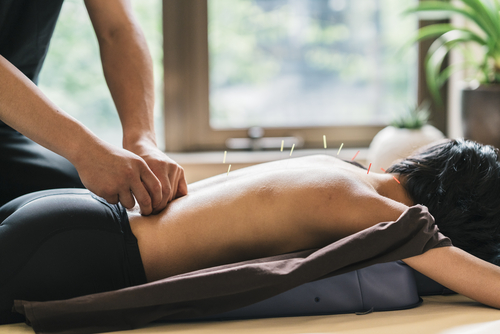
I’ll never forget the first time I watched someone receive acupuncture—not in a clinic, but on the floor of a modest room in Kyoto. The practitioner, a man in his seventies, moved with the kind of calm precision that can only come from decades of practice. The patient, a young mother seeking relief from postpartum exhaustion, lay still, her breath slowing as fine needles found their place along her back and legs. No drama, no bells or incense—just quiet attentiveness and a kind of reverence I hadn’t seen in any hospital I’d worked in.
That encounter marked the beginning of my own exploration of acupuncture. Coming from a background in Western healthcare, I approached it with equal parts curiosity and skepticism. But as I continued my journey into traditional healing systems—Reiki in Japan, herbal medicine in Vietnam, and reflexology in Kenya—I began to understand that acupuncture isn’t just about needles. It’s about balance. It’s about reintroducing flow where there’s been stagnation—whether in the body, the mind, or the spirit.
A Gentle Introduction: What Is Acupuncture, Really?
At its core, acupuncture is a therapeutic practice rooted in Traditional Chinese Medicine (TCM), with historical references tracing back over 2,000 years. It involves inserting extremely thin needles into specific points on the body—known as acupoints—to regulate the flow of qi (pronounced “chee”), the vital energy believed to circulate through invisible channels called meridians. When qi is blocked or out of balance, physical or emotional symptoms may arise.
While modern interpretations often reframe acupuncture through the lens of nervous system stimulation or endorphin release, many contemporary practitioners blend both views—honoring tradition while respecting biomedical frameworks.
The First Session: What to Expect
If you’re new to acupuncture, the idea of being pricked by multiple needles might sound unsettling. But in practice, it’s remarkably gentle. Here’s how a typical first session unfolds:
1. The Consultation
Your practitioner will spend time discussing your health history, symptoms, lifestyle, and emotional wellbeing. Expect questions that seem unrelated—about sleep, digestion, or mood. In TCM, these are vital clues that help create a whole-body picture.
2. The Treatment Setup
You’ll lie on a padded table, often fully clothed with access to areas like your arms, legs, abdomen, or back, depending on your condition. The space is typically quiet, warm, and calming—closer to a spa than a clinic.
3. The Needles
The needles used are nothing like syringes. They are hair-thin, sterile, and single-use. You may feel a slight pinch or tingling sensation during insertion, but most people describe the overall experience as relaxing, even sleep-inducing.
4. Rest & Release
The needles remain in place for 15–30 minutes while you rest. Some describe a sensation of heaviness or warmth. Others report subtle emotional releases—tears, deep breaths, or unexpected calm.
Afterward, you might feel sleepy, energized, or simply neutral. Drinking water and avoiding heavy stimulation (like intense workouts or screens) helps the body integrate the effects.
Conditions Commonly Treated
Over the years, I’ve met people using acupuncture for a surprising range of concerns. Some of the most commonly supported conditions include:
-
Chronic pain: including back pain, neck tension, sciatica, and arthritis
-
Headaches and migraines
-
Digestive issues: bloating, IBS, nausea
-
Sleep disorders: insomnia, restless sleep
-
Mental health: anxiety, depression, burnout
-
Hormonal imbalances: menstrual issues, menopausal symptoms
-
Allergies and immune support
Clinical research, though still evolving, supports acupuncture’s efficacy in managing chronic pain, tension headaches, and anxiety. Some hospitals and integrative clinics now include acupuncture in cancer support programs, fertility care, and postoperative recovery.
That said, one of acupuncture’s most profound effects can be hard to quantify: its ability to create space. In a world where many of us feel rushed, overextended, and scattered, lying still in a room, held in intentional care, becomes a healing act in itself.
Is It Safe?
Generally, acupuncture is considered safe when performed by a trained, licensed practitioner. Side effects are rare but can include minor bruising, lightheadedness, or fatigue. It’s important to choose someone who meets local certification standards and uses clean needle technique (all needles should be pre-packaged, sterile, and disposed of after use).
If you have a bleeding disorder, take blood thinners, are pregnant, or have a pacemaker, let your acupuncturist know. They’ll adapt the session or suggest alternatives.
Beyond the Needles: Acupuncture as a Way of Seeing
What struck me most during my training in East Asia wasn’t just the technique—it was the worldview. Health isn’t simply the absence of disease; it’s the presence of harmony. And healing doesn’t always mean eliminating symptoms—it can mean restoring flow, adjusting rhythm, and creating a container where the body remembers how to regulate itself.
That perspective continues to guide my approach as I explore healing practices around the world. Acupuncture isn’t magic, nor is it a cure-all. But for many, it’s a doorway—into better sleep, reduced pain, clearer energy, and deeper awareness.
Getting Started
If you’re curious, begin by finding a licensed practitioner who takes time to listen. Trust and comfort matter. Start with an open mind and pay attention not just to the physical shifts, but also to how you feel in the days that follow. Healing can be subtle, like the first stirrings of spring after a long winter. It takes attention to notice—but once you do, it becomes hard to ignore.